Why SEO for Local Businesses Still Matters More Than You Think
I have been building websites for small and medium businesses in Lancashire for over a decade. In that time I have watched Google change its local search algorithm more times than I can count, and I have seen plenty of local business owners throw money at paid ads then wonder why the phone stops ringing once the budget runs out. The truth is that a well-planned SEO for local businesses approach is still one of the most cost-effective ways to bring in new customers. But it has to be done right, and it has to be maintained.
Too many people treat local SEO as a one-off setup. They claim their Google Business Profile, stuff a few keywords into the site, and then forget about it. That might have worked five years ago, but not now. Google wants to see consistent signals that you are a real, active business serving a real location. If you do not keep those signals fresh, you will drop out of the Local Pack, and that is a painful place to be.
The Real Impact of the Local Pack
When someone in Burnley searches for a plumber or a web designer, the first thing they see is that map with three business listings underneath. That is the Local Pack, and it is prime real estate. If your business is not in those three spots, you are basically invisible to people who are ready to buy. The Local Pack draws data from your Google My Business listing, your local citations, and your website content. If any of those pieces are inconsistent, Google hesitates to show you there.
I have worked with a client in Burnley who had a great website but no Google My Business optimisation. They were getting almost no local traffic. We cleaned up their NAP consistency across all the major directories, added schema markup to the site, and encouraged a few genuine Google Reviews. Within six weeks they were in the Local Pack for their main service terms. The difference in leads was immediate.
NAP Consistency and Local Citations Are Not Optional
NAP stands for Name, Address, Phone number. It sounds simple, but I have seen businesses where the phone number on their Google Business Profile is different from the one on their Yext listing, and the address on their Moz Local entry does not quite match what is on their site. Google notices those mismatches. They erode trust in your listing, and your ranking suffers.
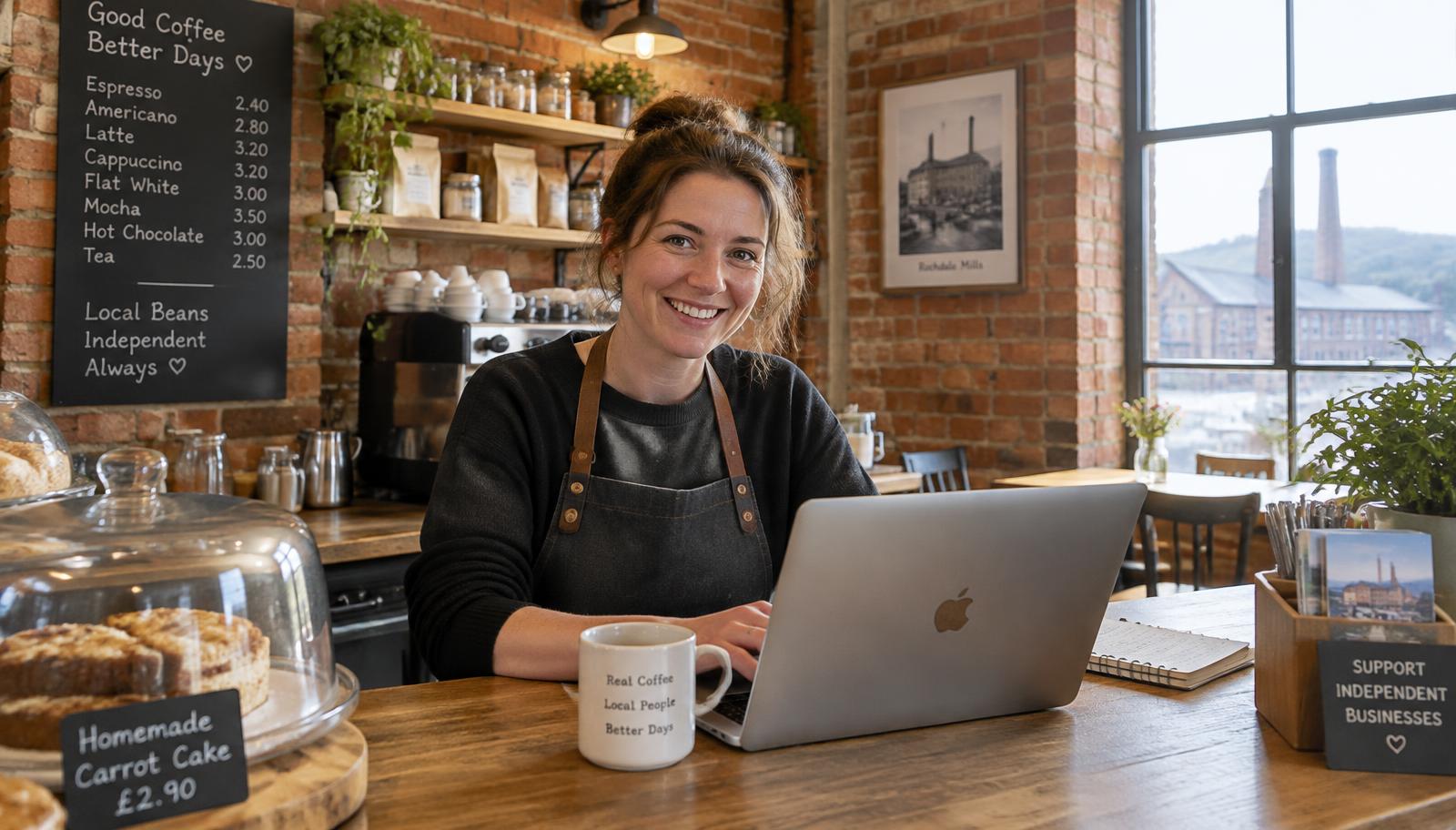
Local citations are mentions of your business on other websites. They can come from directories like BrightLocal, industry-specific sites, or local chamber of commerce pages. The key is that every citation must match your NAP exactly. Even a small difference, like "Street" versus "St", can confuse the algorithm. Tools like Moz Local and Yext help you manage those citations at scale, but I still recommend doing a manual audit once a year to catch anything the tools miss.
Schema Markup Gives Google a Clearer Picture
Schema markup is code you add to your website that tells search engines exactly what your business is, where it is located, what services you offer, and what your customers say about you. It is not a ranking factor by itself, but it helps Google understand your content better, and that can lead to rich snippets in the search results. For a local business, LocalBusiness schema is the most useful type. It lets you specify your opening hours, your service area, and even your accepted payment methods.
I have seen sites that had good content but were not showing up for local queries that should have been easy wins. Adding schema markup was the missing piece. It does not take long to implement, but it requires careful attention to detail. If you get the schema wrong, Google might ignore it entirely, so it is worth having someone who knows the current best practices do it.
Google Reviews Are a Ranking Signal and a Trust Signal
Google Reviews do two things. They feed directly into your local search ranking, and they influence whether a potential customer clicks on your listing or scrolls past it. A business with a 4.8 average and a dozen recent reviews will almost always outrank a business with a perfect score but no recent reviews. Google wants to see fresh, authentic feedback.
I advise clients to make asking for reviews a standard part of their workflow. Send a follow-up email after a job is done. Include a direct link to your Google Business Profile review page. Do not offer incentives, because that can get your listing suspended, but do make it easy for happy customers to leave a review. And always respond to reviews, both good and bad. A thoughtful response to a negative review can actually build more trust than ignoring it.
Mobile-First Indexing and Core Web Vitals
Google now indexes most websites based on the mobile version of the page. If your site loads slowly on a phone or is hard to navigate with a thumb, you are going to struggle. Core Web Vitals are a set of metrics that measure how fast your pages load and how stable they are during loading. They include things like Largest Contentful Paint and Cumulative Layout Shift. These are not just technical jargon. They directly affect your ranking, especially on mobile.

I have seen local businesses lose positions in the Local Pack because their site took too long to load on a mobile connection. The fix is often not as hard as people think. Compress images, reduce redirects, and use a content delivery network. If your site is built on a platform like Wix, check that it is using the latest performance features. Some builders have limitations, but most have improved significantly in the last couple of years.
Long-Tail Keywords and the "Near Me" Search
General keywords like "web designer" are extremely competitive. A small business in Lancashire cannot realistically rank for that term against national agencies. But long-tail keywords, such as "affordable web designer in Burnley" or "e-commerce site for small business in Lancashire", are much more attainable. These queries often come from people who are further along in their buying journey, so the conversion rate is higher.
The "near me" search has become incredibly common. People type "plumber near me" or "cafe near me" and expect Google to show them businesses close to where they are standing. To rank for those queries, your Google Business Profile needs to be fully optimised, and your website content should naturally include your location and service area. Do not force it. Write content that genuinely helps someone in Burnley or Lancashire, and the local relevance will come through.
Tracking and Adjusting with Tools
You cannot improve what you do not measure. Tools like Ahrefs and SEMrush allow you to track your keyword rankings, see where your competitors are getting traffic, and identify gaps in your own strategy. For local businesses, BrightLocal is particularly useful because it focuses on local search metrics and citation tracking. I use a combination of these tools to monitor changes and adjust tactics.
One thing I have learned is that local SEO is never finished. Google updates its algorithm regularly, competitors appear and disappear, and customer behaviour shifts. What worked six months ago might not work today. That is why I recommend treating SEO for local businesses as an ongoing process rather than a project with a finish line. Review your analytics monthly, check your citation consistency quarterly, and update your content at least twice a year.
A Practical Example from Lancashire
Let me give you a concrete example. A small bakery in Burnley approached me because they were getting almost no website traffic despite having a nice site. They had a Google Business Profile but it was incomplete, and they had never claimed their listing on Google Maps. We filled out every section of the profile, added high-quality photos, and asked their regular customers to leave reviews. We also optimised their site for long-tail keywords like "fresh bread in Burnley" and added LocalBusiness schema.
Within two months, they were appearing in the Local Pack for several related searches. Their phone started ringing with catering enquiries, and their online orders doubled. That is the power of getting the fundamentals right. No magic tricks, just consistent work on the basics.
If you are running a local business in Lancashire, I cannot stress enough how much SEO for local businesses can level the playing field. You do not need a giant marketing budget. You need a solid website, a properly maintained Google Business Profile, consistent citations, and a willingness to keep at it. The businesses that do that are the ones that stay visible when it matters most.